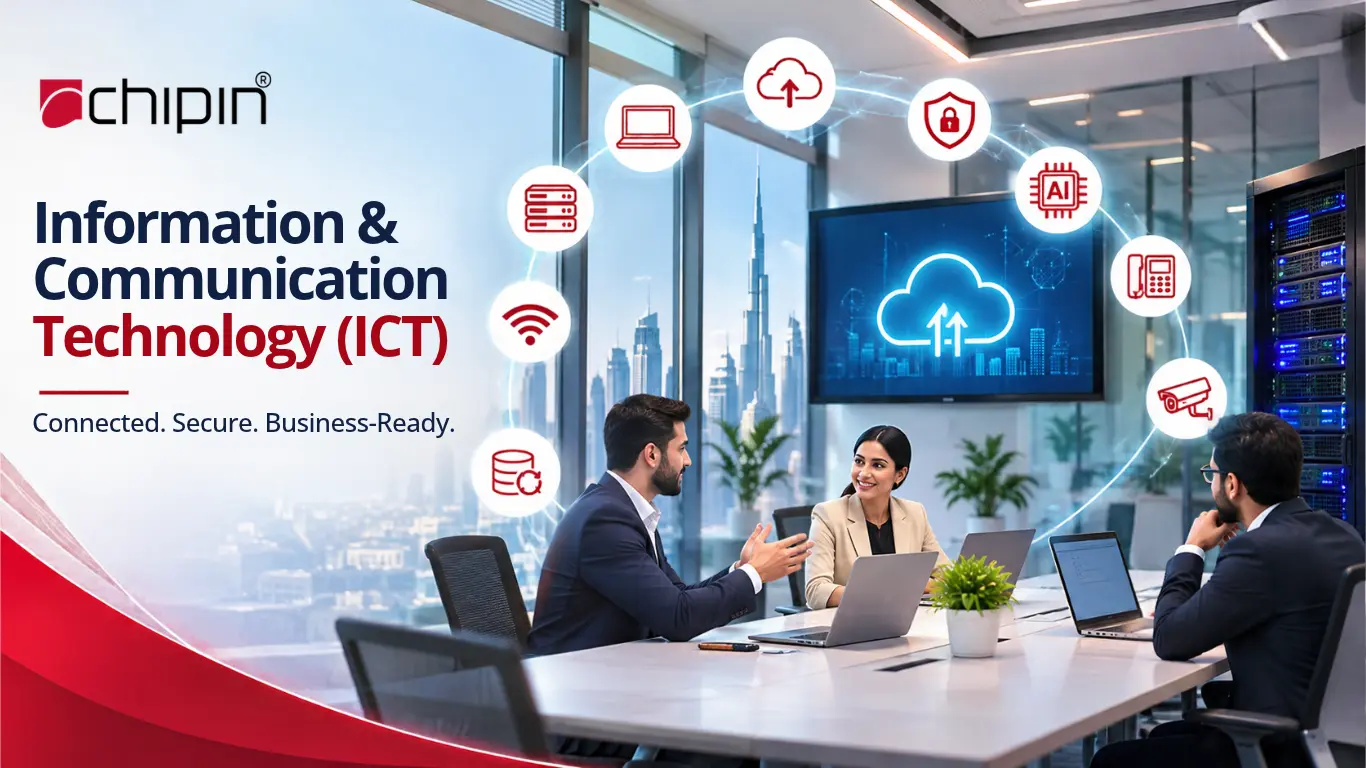
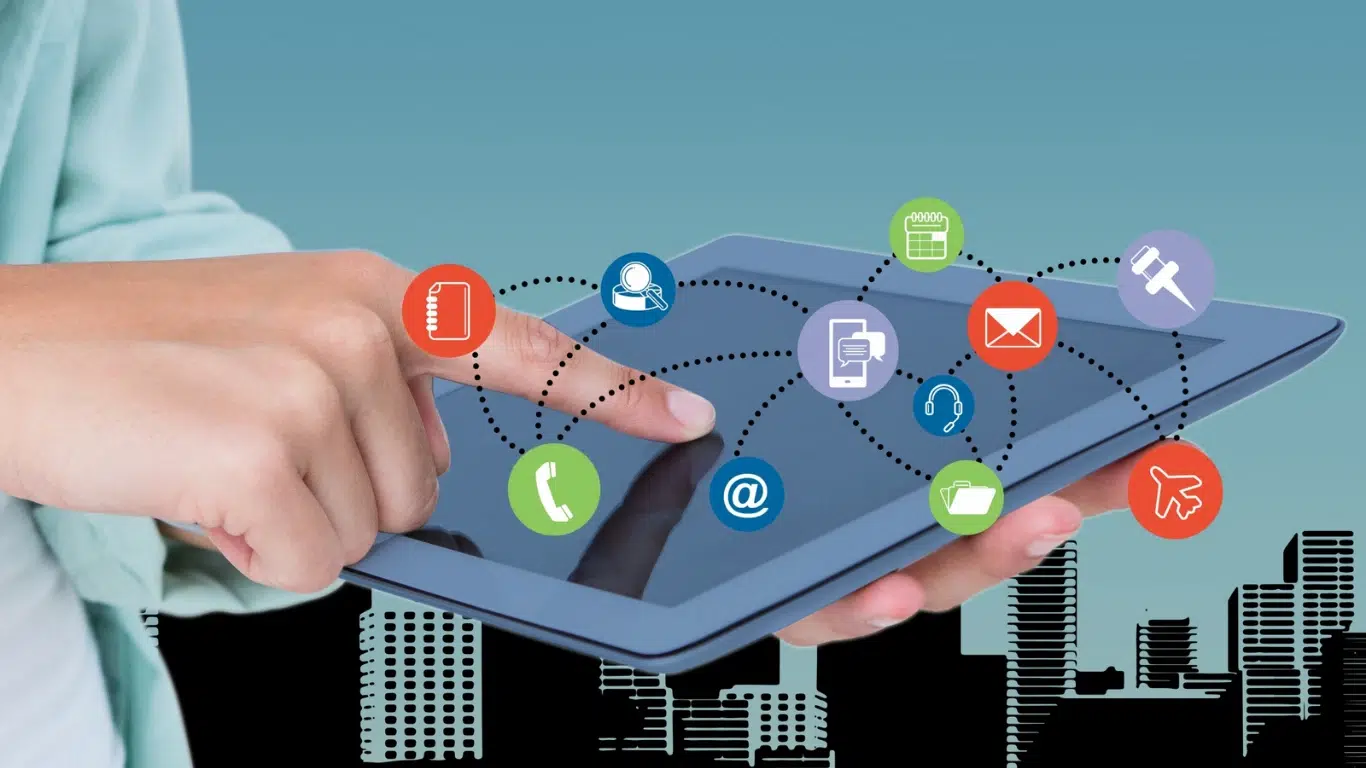
Information and Communication Technology (ICT) refers to the combination of technologies, systems and digital tools that organisations use to create, process, store, access and exchange information. It includes computers, software, networking infrastructure, cloud platforms, telecommunications, cybersecurity and digital communication systems.
For businesses in Dubai and across the UAE, ICT is an essential part of everyday operations. From connecting employees and managing business data to conducting virtual meetings and protecting digital information, a well-planned ICT environment helps organisations work efficiently and stay connected.
As businesses continue to adopt digital solutions, understanding ICT technology has become important for making informed decisions about infrastructure, security and long-term growth.
What Does ICT Stand For?
ICT stands for Information and Communication Technology. The term brings together three important elements that support modern digital operations.
Information: This refers to the data that businesses create, collect, process and store. Examples include customer records, financial documents, employee information, business reports and digital files.
Communication: Communication involves exchanging information between people, departments, devices and organisations. Email, business phone systems, messaging applications and video conferencing are common examples.
Technology: Technology includes the hardware, software, networks and digital platforms that make information processing and communication possible.
Together, these elements create a connected working environment in which employees can access information, collaborate with colleagues and complete business activities.
What Are Examples of Information and Communication Technology?
ICT includes a wide range of technologies used in offices, commercial buildings, and different industries. Most organizations use several ICT solutions together rather than relying on a single system.
Computers, Laptops and Mobile Devices
Computers, laptops, tablets and smartphones allow employees to access business applications, manage documents, communicate with colleagues and complete daily tasks. These devices form the foundation of most modern workplace environments.
Network Infrastructure and Wi-Fi
Networking technologies connect computers, servers, printers, and other devices within an organisation. Structured cabling, routers, switches, wireless access points and internet connections help businesses maintain reliable communication between their systems.
Cloud Computing and Microsoft 365
Cloud technology allows businesses to access applications, storage and computing resources over the internet. Solutions such as Microsoft 365 support business email, document sharing, online collaboration and remote working.
IP Telephony and Video Conferencing
Digital communication systems allow employees to communicate through business phone networks, online meetings and collaboration platforms. Video conferencing is particularly useful for businesses that regularly communicate with clients, suppliers and teams across different locations.
CCTV and Access Control Systems
Modern ICT environments can also integrate physical security technologies. CCTV cameras, access control systems and monitoring solutions help organisations manage building security and control access to designated areas.
Cybersecurity Solutions
Cybersecurity is an essential part of ICT because connected systems need protection against digital threats. Firewalls, endpoint protection, access management, email security and data backup solutions help businesses protect their networks and information.
Artificial Intelligence and Automation
AI-powered applications can analyse information, automate repetitive tasks and support business decisions. When integrated appropriately, these technologies can improve productivity and simplify certain operational processes.
Data Backup and Recovery
Backup and disaster recovery technologies help organisations protect important information and recover from disruptions.
What Are the Main Components of ICT?
A complete ICT environment consists of several interconnected components. Each one has a specific purpose, but they must work together to support business operations.
For example, an employee may use a laptop connected to the office network to access a cloud application, communicate through Microsoft Teams and share business documents. Each activity depends on different ICT components working together.
What Is the Difference Between ICT and IT?
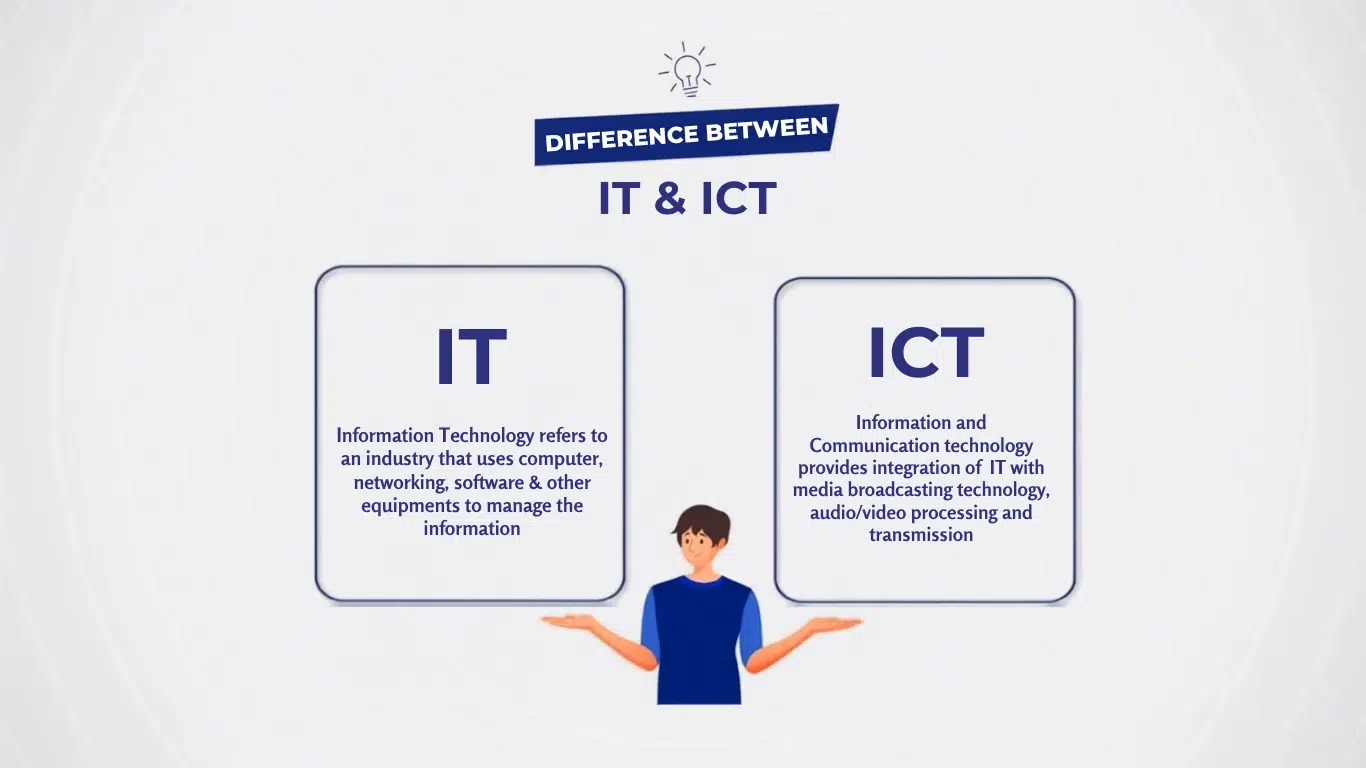
Information Technology (IT) and Information and Communication Technology (ICT) are closely related terms. However, their scope is slightly different.
IT mainly focuses on computers, software, servers, data storage and information management. ICT includes these technologies while also covering communication systems and the exchange of information between people and devices.
In simple terms, IT is an important part of ICT, while ICT covers a broader digital environment.
What Technologies Are Included in Modern ICT?
ICT continues to develop as organisations adopt new digital tools and infrastructure. Several technologies are particularly important for businesses today.
Cloud Computing
Cloud platforms provide access to applications, data storage and computing resources without requiring every service to operate on local office servers. Businesses can select cloud or hybrid environments according to their operational and security requirements.
Artificial Intelligence
Artificial intelligence can support data analysis, customer service, automation and cybersecurity monitoring. Businesses can use AI-powered tools to improve specific workflows while maintaining appropriate human oversight.
Cybersecurity and Data Protection
As organisations become more dependent on digital systems, protecting information is increasingly important. Modern cybersecurity includes network protection, endpoint security, identity management, secure access and backup strategies.
Internet of Things (IoT)
IoT refers to connected devices and sensors that collect and exchange information over networks. These technologies can support monitoring, automation, building management and other business applications.
Unified Communications
Unified communications brings different communication channels together, including voice calls, messaging, video meetings and collaboration tools. This makes it easier for employees to communicate through connected platforms.
Automation
Automation technologies can reduce repetitive tasks and help streamline business processes.
Advanced Networking
Reliable network infrastructure supports cloud applications, business communication, data transfers and connected devices. Proper network planning helps organisations maintain stable connectivity as their requirements increase.
Why Is ICT Important for Businesses in Dubai and the UAE?
Businesses across Dubai, Sharjah and Abu Dhabi depend on technology to manage daily operations and communicate with customers, employees and business partners.
A properly planned ICT environment can help organisations improve productivity, maintain connectivity and manage information more effectively.
For example, a real estate company may use ICT to connect its employees, communicate with clients, conduct virtual property presentations, manage business documents and coordinate internal operations.
Similarly, a healthcare organisation may depend on secure networks and digital systems to support its administrative activities, while a retail business may use connected systems for inventory and customer management.
ICT requirements differ from one industry to another. Therefore, businesses should select technologies according to their actual operational needs rather than investing in systems that provide little practical value.
How Does ICT Support Business Operations?
ICT supports different business functions, including:
- Communication and collaboration: Business email, IP telephony and video conferencing help employees communicate efficiently.
- Data management: Digital systems help organisations store, organise and access business information.
- Cybersecurity: Security solutions help protect business networks, devices and applications.
- Remote working: Cloud platforms and secure access allow employees to work from different locations.
- Customer management: CRM and communication platforms help businesses manage customer interactions.
- Office infrastructure: Networking, structured cabling and connected devices support daily workplace activities.
A Real-World Example OF ICT Implementation from Chipin Corp
Practical ICT implementation involves more than installing individual devices. Different technologies need to work together to create a reliable environment that meets the client’s requirements.
Chipin Corp has completed a conference room setup project for a real estate office. The project was completed in approximately one to two weeks.
The requirement involved preparing a dedicated conference room environment for the client’s business activities. The project demonstrates how ICT implementation can support workplace communication and professional collaboration.
Conference rooms are important working spaces where employees conduct internal meetings, discuss projects and communicate with clients or business partners. Having an appropriately planned technology environment helps businesses make these interactions more organised and effective.
This project also highlights an important aspect of ICT implementation: understanding the client’s requirements, planning the setup and completing the work within the agreed project timeframe.
At Chipin Corp, we understand that every organisation has different infrastructure requirements. Our approach focuses on identifying those requirements and recommending suitable IT and ICT solutions to support business operations.
What Are the Benefits of ICT for Businesses?
When properly planned and maintained, ICT offers several practical benefits.
Improved productivity: Employees can access information, use business applications and complete tasks more efficiently.
Better communication: Digital communication tools make it easier for teams to exchange information and coordinate activities.
Flexible working: Cloud applications and secure remote access support employees working from different locations.
Better collaboration: Video conferencing, messaging and file-sharing platforms help teams work together.
Stronger security: Appropriate cybersecurity measures help organisations reduce exposure to common digital threats.
Business scalability: Organisations can expand their technology infrastructure as their workforce, operations and requirements grow.
Business continuity: Reliable infrastructure, backup systems and recovery planning help businesses prepare for unexpected technology disruptions.
What Are the Common Challenges of ICT?
Although ICT provides many advantages, organisations must also consider the challenges associated with managing connected technology environments.
Cybersecurity Risks: Businesses may face phishing, ransomware, malware and unauthorised access attempts. Regular security reviews and appropriate protection measures are important.
Data Privacy and Protection: Organisations need to manage business and customer information responsibly. Appropriate access controls, data protection practices and compliance reviews should form part of their ICT strategy.
Integration Difficulties: Different hardware, software and communication systems may not always work together seamlessly. Careful planning and compatibility checks can help avoid unnecessary technical issues.
Maintenance and Downtime: Outdated equipment, network failures and software problems can interrupt business operations. Regular maintenance and monitoring help organisations identify issues before they become more disruptive.
Technology Costs: ICT investments involve hardware, software, installation, maintenance and ongoing support. Businesses should prioritise solutions that meet their operational requirements and offer long-term value.
What Is the Role of AI in ICT in 2026?
Artificial intelligence is becoming an increasingly important part of modern ICT environments.
AI can support organisations in areas such as:
However, AI does not replace the need for reliable ICT infrastructure.
AI-powered technologies still depend on secure networks, quality data, appropriate computing resources and effective technology management.
For businesses, AI is increasingly becoming one component of a broader ICT strategy.
How Can Businesses Choose the Right ICT Solutions in the UAE?
Choosing ICT solutions requires an understanding of how a business operates and what it needs from its technology infrastructure.
Before implementing new systems, organisations should consider the following factors:
- Business requirements: Identify the communication, networking, security and technology requirements of the organisation.
- Infrastructure assessment: Review existing hardware, network connectivity, software and security systems.
- Scalability: Select solutions that can accommodate future employees, devices and business expansion.
- Security requirements: Consider network security, access management, data protection and backup requirements.
- Integration: Ensure that new systems can work with the organisation’s existing technology environment.
- Technical support: Consider ongoing maintenance, troubleshooting and IT support requirements.
For UAE organisations, it is also important to review applicable data protection and sector-specific requirements when selecting and managing ICT systems.
Working with an experienced IT service provider can help businesses assess their requirements and plan an appropriate technology environment.
What Is the Future of Information and Communication Technology?
- The future of information and communication technology will continue to be shaped by cloud computing, artificial intelligence, automation, connected devices and advanced networking.
- Businesses are increasingly looking for integrated technology environments that connect their applications, communication systems and infrastructure.
- AI-powered tools will continue to support automation and information analysis, while cloud technologies will provide flexible ways to manage applications and data. Cybersecurity will remain a major priority as organisations depend on more connected systems.
- However, adopting new technology alone does not guarantee better business performance. Organisations need reliable infrastructure, suitable security measures and ongoing technical support to make the most of their ICT investments.
How Chipin Corp Supports Business ICT Requirements in the UAE
Selecting and managing ICT solutions can become challenging when a business relies on multiple technologies, vendors and platforms.
Chipin Corp provides IT services and solutions designed to help businesses manage their technology requirements. With more than 17 years of industry experience, our team supports organisations with infrastructure planning, implementation and ongoing technical support.
Our service areas include:
Whether your organisation is establishing a new office, upgrading existing infrastructure or improving its IT security, Chipin Corp can help assess your requirements and identify suitable solutions.
We support businesses across Dubai, Sharjah, Abu Dhabi and other parts of the UAE.
Looking for reliable ICT and IT solutions for your business? Contact Chipin Corp to discuss your requirements and explore the right technology solutions for your organisation.
Frequently Asked Questions About ICT
Conclusion
Information and Communication Technology has become an important part of how modern businesses operate. From networking and cloud computing to cybersecurity and digital communication, ICT connects the systems that organisations depend on every day.
For businesses in Dubai and across the UAE, investing in suitable ICT infrastructure can improve communication, support productivity and help manage technology requirements as operations grow.
The key is to select solutions that meet actual business needs and ensure that different systems work together reliably.
Chipin Corp helps businesses build, manage and maintain their IT infrastructure through a range of professional IT services and solutions. If you are planning a new office setup or looking to improve your existing ICT environment, our team is ready to help.
Get in touch with Chipin Corp to discuss your business IT and ICT requirements.
About the Author