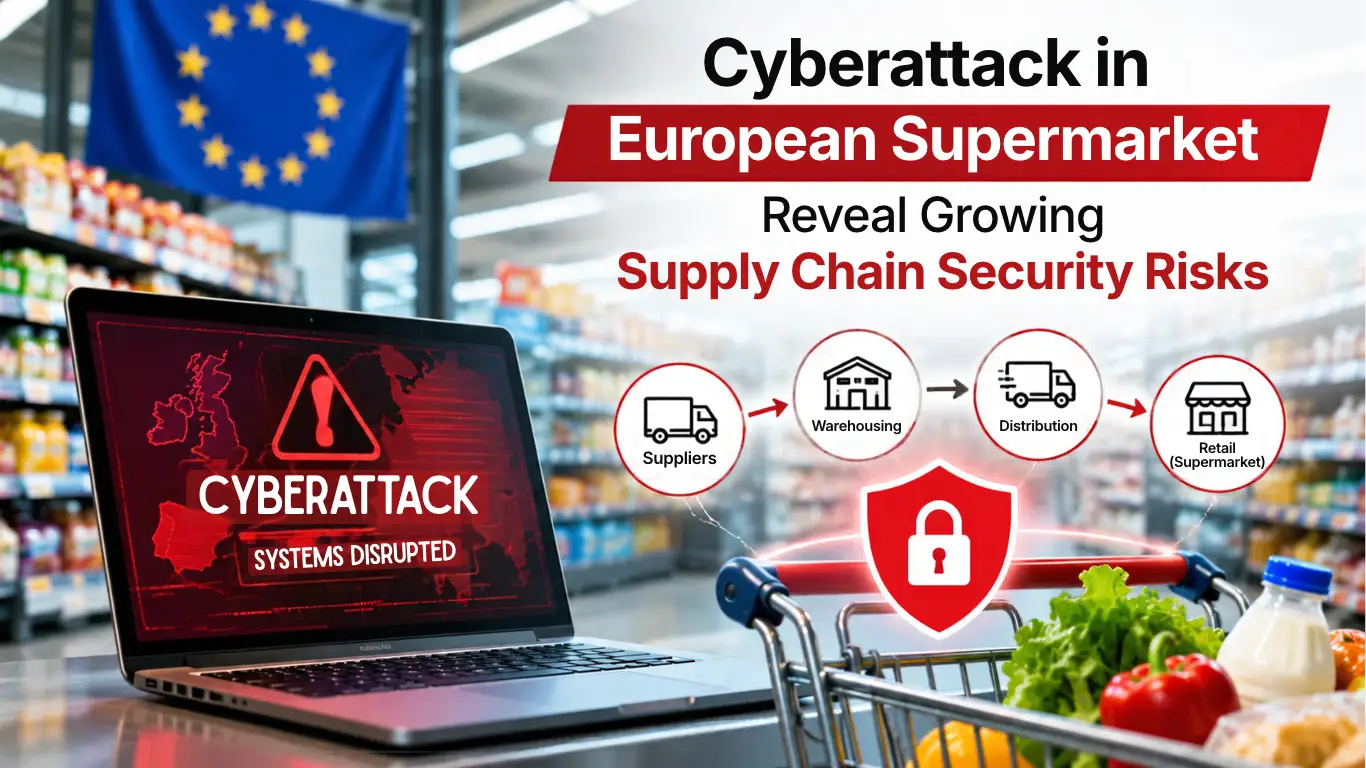
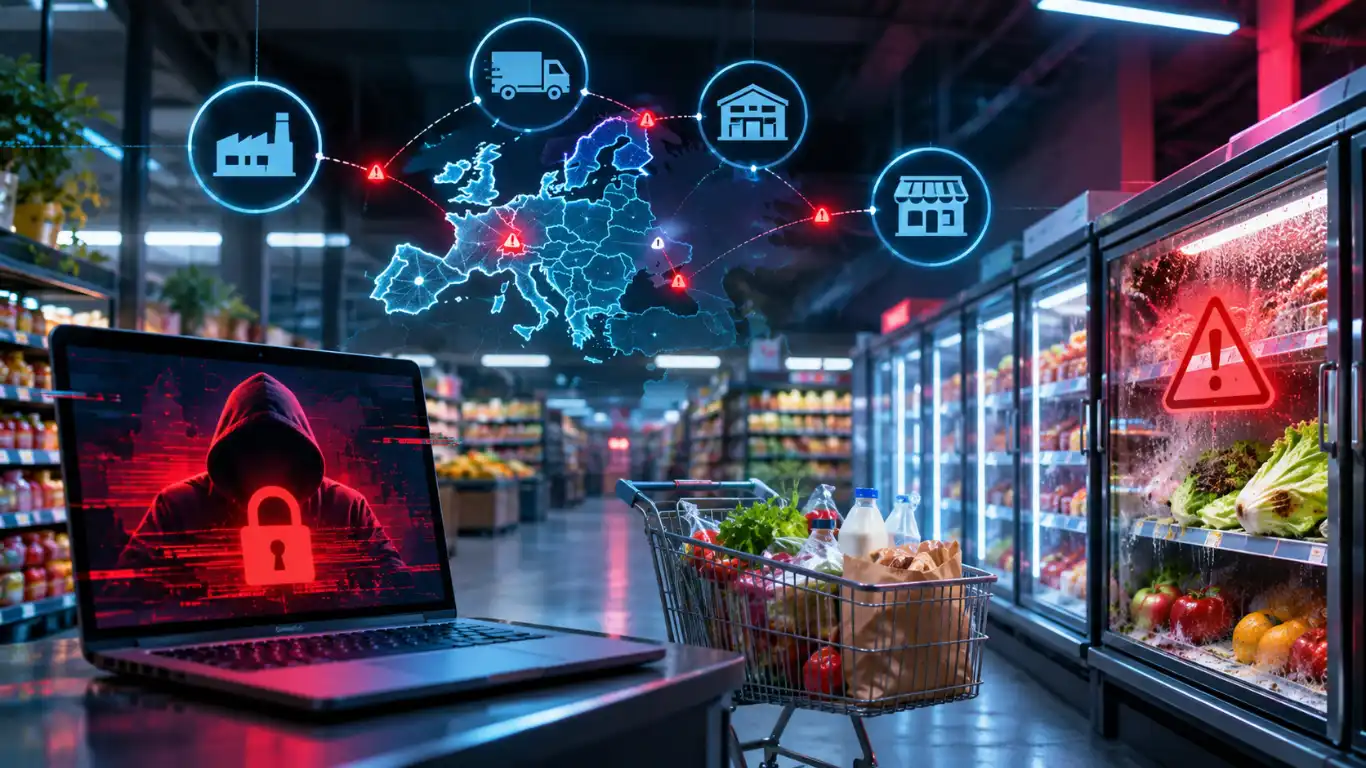
European Supermarket Cyberattacks: A wave of suspected cyberattacks has disrupted supermarket refrigeration systems across Europe, raising concerns about the security of connected business infrastructure. On November 2, 2026, grocery retailers in several European countries reported problems with their refrigerators and freezers, resulting in spoilt food and operational losses.
According to Reuters and Euronews, the incidents affected retailers in countries including Belgium, Sweden, Luxembourg, Ireland, Estonia and Finland. Some refrigeration units reportedly reached temperatures as high as 50°C (122°F), forcing stores to remove perishable products. These incidents followed similar attacks on French supermarkets in October 2026. No group has claimed responsibility for the latest attacks.
How Cyberattacks Can Affect Everyday Business Operations
Supermarkets depend on connected technology to manage inventory, deliveries, warehouses, payments and refrigeration equipment. When these systems are disrupted, the impact can extend beyond digital data and affect physical business operations.
In food retail, system downtime can result in spoilt stock, delayed deliveries and difficulties managing inventory. Even when attackers do not directly target refrigeration equipment, disruptions to warehouse applications or management systems can interrupt the flow of essential business information.
Supply Chain Security Is Also a Technology Risk
Modern supply chains rely on shared software, cloud platforms, external service providers and remote management tools. A security weakness in one supplier’s system can create risks for other connected organisations.
Previous incidents involving SolarWinds, 3CX and MOVEit have demonstrated different ways attackers can exploit trusted software providers and technology vulnerabilities. These cases highlight the importance of reviewing vendor security, controlling software access and identifying systems that could affect critical business operations.
Why Data Protection and Recovery Matter
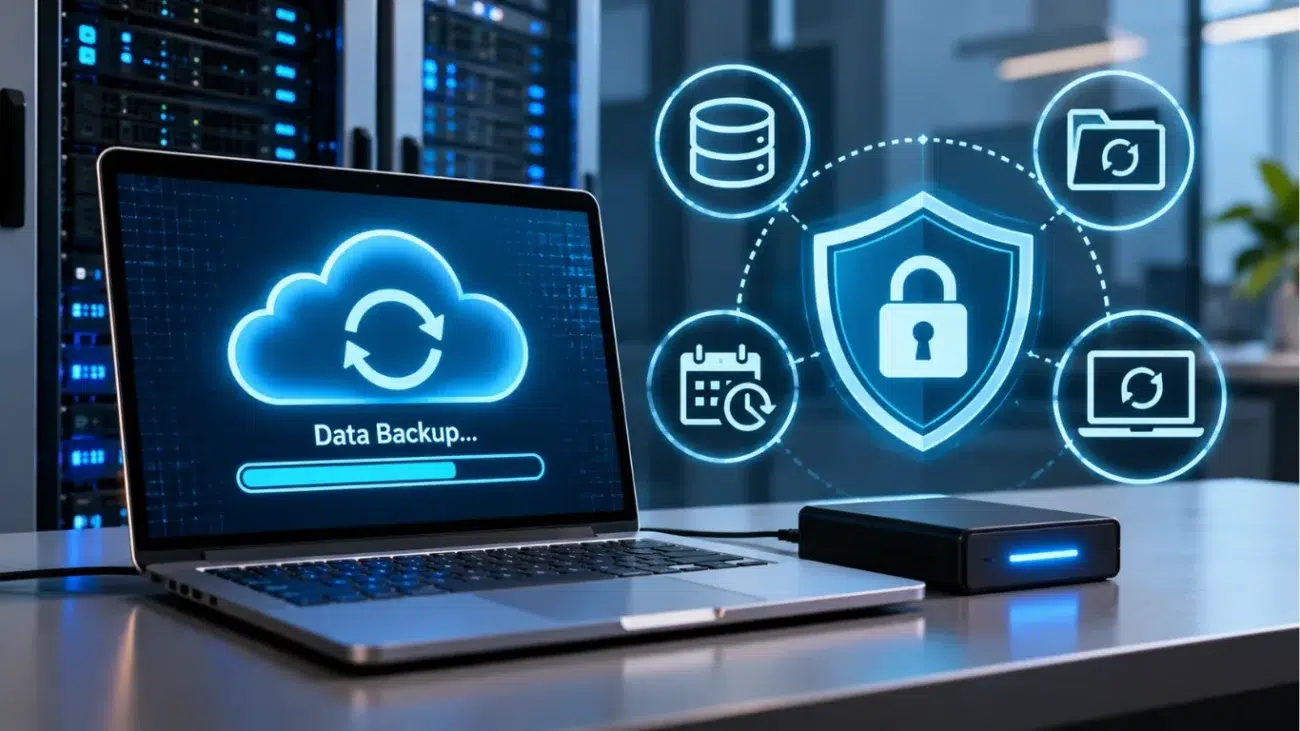
Cybersecurity is not only about preventing attacks. Businesses also need reliable recovery plans to restore systems and information safely after an incident.
Maintaining secure backups is important, but organisations must also ensure that recovered systems are clean and that business records can be reconciled with actual operations. This is particularly important for industries handling perishable goods, inventory and time-sensitive deliveries.
Key Cybersecurity Lessons for IT Teams and MSPs
The recent supermarket incidents highlight the importance of strong identity controls, restricted access permissions, network segmentation and continuous monitoring. IT teams should also review third-party software access and regularly test backup and recovery procedures.
For managed service providers (MSPs), securing privileged tools that connect to multiple customer environments is equally important. A weakness in one system should not become a wider security incident.
Cyberattacks can affect more than computers and business data. As European Supermarket Cyberattack incidents demonstrate, disruptions to connected technology can also affect physical products, supply chains and daily operations.
Frequently Asked Questions (FAQs)