Blogs by Chipin

When Security Tools Aren’t Enough: The Human Factor in Cybersecurity

When Security Tools Aren't Enough: The Human Factor in Cybersecurity

When Security Tools Aren't Enough: The Human Factor in Cybersecurity

The human factor in cybersecurity refers to the role employees play in protecting or exposing an organization’s digital assets through their everyday actions and decisions. 

Cybersecurity is usually viewed as a technology problem. As a result, companies tend to concentrate their attention on technological tools such as firewalls, endpoint protection, monitoring systems, and security automation. While all of these solutions are essential for protecting infrastructure and data, they cannot completely guarantee that systems will never face security threats. 

For businesses across Dubai and the UAE, the human factor in cybersecurity continues to play a major role in protecting organizations from evolving cyber threats. Simple actions such as choosing weak passwords, clicking suspicious links, delaying software updates, or ignoring basic security practices can create vulnerabilities, even when advanced cybersecurity solutions are already in place. This is why organizations today are focusing not only on technology but also on building a strong security culture supported by cybersecurity services, employee cybersecurity awareness, and endpoint security. 

Industry guidance from organizations such as NIST, CISA, and Microsoft consistently highlights that technology alone cannot eliminate cyber risks. Building a strong cybersecurity strategy also requires employee awareness, secure user behaviour, and clearly defined security policies. This balanced approach helps businesses strengthen their overall security posture and reduce the risk of human-related cyber incidents.

Why Technology Alone Cannot Prevent Cyber Threats

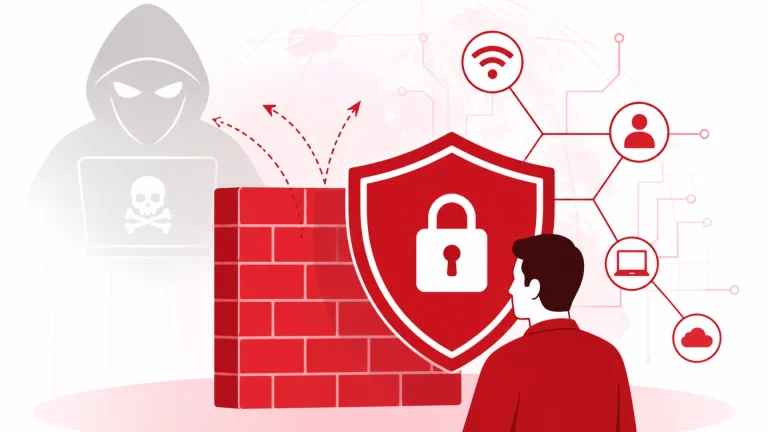
Cybersecurity tools cannot prevent all cyber threats

Organizations continue to invest in advanced technologies to protect their infrastructure from evolving cyber threats. Firewalls, endpoint security, threat monitoring software, and automated detection tools all play an important role in building a strong security environment for businesses across Dubai and the UAE. However, technology alone cannot prevent every cyber threat facing modern organizations. 

Security solutions are designed to detect, block, and respond to suspicious activities, but their effectiveness still depends on how people use them. A firewall cannot stop an employee from sharing confidential information with the wrong person. Endpoint protection cannot prevent someone from using the same password across multiple accounts. Even the most advanced cybersecurity tools rely on users making safe decisions every day. 

For this reason, many organizations complement their security technologies with managed cybersecurity services, security awareness training, and endpoint protection to reduce risks caused by human error.

The Growing Role of Human Behaviour in Security Incidents

As businesses become more connected through cloud services, remote work, and digital collaboration, human behaviour has become one of the biggest factors influencing cybersecurity. Many security incidents occur not because security tools fail, but because everyday actions unintentionally create opportunities for attackers. 

Employees interact with emails, cloud applications, business devices, and sensitive information throughout the day. A single mistake—such as opening a malicious attachment or using an unsecured Wi-Fi network—can bypass multiple layers of technical protection. 

Building cybersecurity awareness across every department is becoming just as important as investing in technology. Organizations that combine security tools with employee education are often better prepared to reduce cyber risks and respond quickly when incidents occur. 

Common Employee Actions That Increase Cyber Risk

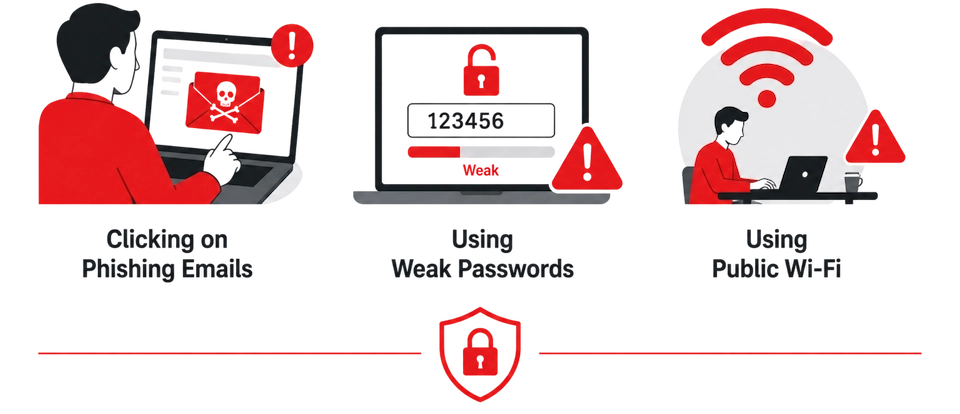
Common human errors in cybersecurity

Daily workplace habits have a significant impact on an organization’s security. Some common activities that increase cyber risks include using weak passwords, clicking unverified links, connecting to unsecured public Wi-Fi, delaying software updates, sharing login credentials, or storing confidential business information in unsafe locations. 

Although these actions may appear harmless, they gradually create security gaps that cybercriminals can exploit. Attackers often target employees because human behaviour is generally easier to manipulate than modern security systems. 

Creating awareness through regular training and encouraging secure digital habits can significantly reduce these risks. Combined with endpoint protection, network security, and managed cybersecurity services, these practices help businesses across Dubai and the UAE strengthen their overall security posture and improve cyber risk management.

Human Error

  • Weak Password
  • Phishing
  • Public WiFi
  • Outdated Software
  • Shared Credentials

Security Solution

  • MFA
  • Security Awareness
  • VPN
  • Patch Management
  • Password Manager

Why Even Advanced Security Tools Have Limitations

Modern cybersecurity solutions are more powerful than ever before. Many businesses in Dubai invest in cybersecurity services to strengthen endpoint protection, network security, and employee awareness. They use artificial intelligence, automation, behavioural analytics, and real-time monitoring to identify suspicious activities and respond to potential threats quickly. These technologies have greatly improved the way organizations protect their digital environments. 

However, no security solution can predict every human decision or eliminate every vulnerability created by unsafe behaviour. Security tools can detect unusual activities, but they cannot always prevent employees from bypassing security policies, approving fraudulent requests, or sharing sensitive information without verification. 

Cybersecurity works best when technology and people work together. Businesses that combine advanced security solutions with employee cybersecurity awareness, access management, multi-factor authentication, and managed cybersecurity services are better positioned to strengthen cyber risk management across the UAE and protect critical business information. 

How the Human Factor in Cybersecurity Increases Business Risks

Although advanced cybersecurity solutions help prevent many security threats, everyday human actions continue to play a major role in protecting business systems. Many cyber incidents occur not because security technologies fail, but because of simple mistakes made during daily work. 

Understanding these common human errors allows businesses to strengthen their overall security strategy. By combining employee awareness with managed cybersecurity services, endpoint protection, and network security, organizations can significantly reduce the risk of cyber attacks.

Weak Password Practices

Passwords remain one of the most common methods of accessing business systems, making password security extremely important. However, many security incidents still occur because employees use weak passwords, reuse the same password across multiple accounts, write passwords down, or share login credentials with others. 

These habits make it much easier for attackers to gain unauthorized access to business accounts and sensitive information. 

Organizations can reduce this risk by encouraging employees to create strong, unique passwords and by implementing multi-factor authentication (MFA). Password managers and regular password updates also provide an additional layer of protection for businesses operating across Dubai, Sharjah, and the UAE. 

Password security guidelines published by NIST recommend using strong, unique passwords for every account and enabling multi-factor authentication whenever possible. These practices help reduce the risk of unauthorized access and credential-based attacks. 

Falling for Phishing and Social Engineering

Not every cyber attack targets technology. Many attacks are designed to manipulate people instead.

Phishing emails, fake login pages, fraudulent phone calls, and other social engineering techniques attempt to trick employees into revealing confidential information, downloading malicious files, or approving unauthorized requests.

Even organizations with advanced cybersecurity tools can become victims if employees are not trained to recognize these attacks. Regular security awareness training, combined with email security solutions for businesses in Dubai and clear verification procedures, helps businesses reduce phishing-related risks and protect sensitive business data.

Microsoft’s security research consistently highlights phishing as one of the most common attack methods used to compromise business accounts. Regular employee awareness training and email verification procedures remain among the most effective ways to reduce these risks.

Unsecured Devices and Remote Work Risks

Remote and hybrid work have created new cybersecurity challenges for businesses across Dubai and the UAE. Employees often access company systems using personal laptops, mobile devices, or home internet connections that may not have the same level of protection as office networks. 

Using unsecured devices, connecting through public Wi-Fi, or accessing business applications without proper security controls increases the risk of cyber attacks. If these devices are not protected with endpoint security solutions, antivirus software, regular updates, and secure authentication, they can become entry points for attackers. 

Businesses can reduce these risks by implementing endpoint security solutions, secure VPN access, device management policies, and managed cybersecurity services that support remote teams. 

Delayed Software Updates and Unsafe Habits

Software updates are often postponed because employees want to avoid interruptions or remain focused on their daily tasks. However, delaying updates allows known security vulnerabilities to remain open, giving cybercriminals more opportunities to exploit them. 

Other unsafe habits, such as ignoring security warnings, downloading files from unknown sources, installing unauthorized software, or bypassing company security policies, can also increase cybersecurity risks over time. 

Keeping software updated strengthens an organization’s overall cybersecurity posture. 

Building a Stronger Security Culture

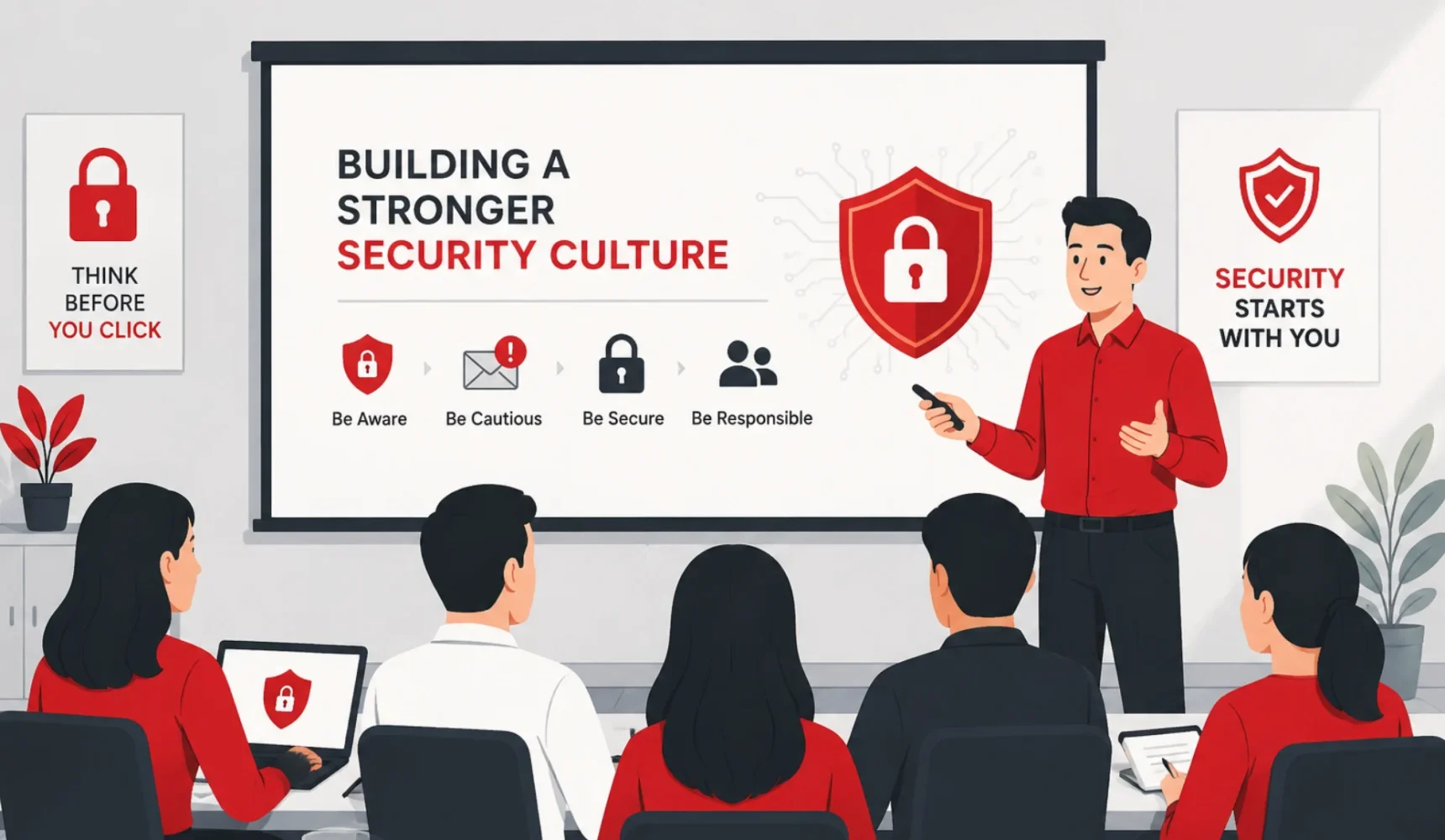
Employee cybersecurity awareness training

Creating a secure organization requires more than installing the latest cybersecurity technologies. Long-term security is achieved when every employee understands that cybersecurity awareness is a shared responsibility across the organization. rather than only an IT function. 

Security tools provide the foundation for protection, but employees play an equally important role by following security policies, reporting suspicious activities, and making informed decisions during their daily work. 

Organizations that invest in both technology and employee awareness are generally better prepared to reduce cyber risks and respond effectively to security incidents. 

According to CISA building a strong security culture requires more than deploying technology. Organizations should combine technical controls with continuous employee education, clear security policies, and regular risk assessments to strengthen their overall cybersecurity posture. 

Creating Security Awareness Across Teams

Security awareness training should extend beyond the IT department. Every employee, regardless of their role, should understand basic cybersecurity principles, common attack methods, and safe digital practices. 

Regular security awareness sessions help employees recognize phishing attempts, protect sensitive information, use strong passwords, and report unusual activities before they become serious security incidents. 

For businesses across Dubai and the UAE, ongoing security awareness training has become an essential part of building a stronger cybersecurity strategy and reducing human-related risks. 

Implementing Access Controls and Multi-Factor Authentication

Effective access management is one of the simplest ways to reduce unnecessary cybersecurity risks. Employees should only have access to the systems and information required for their responsibilities. 

Organizations should regularly review user permissions and remove unnecessary access whenever roles change. This minimizes the potential impact of compromised accounts. 

Adding multi-factor authentication (MFA) provides another layer of protection by requiring users to verify their identity through more than one authentication method. Even if passwords are compromised, MFA makes unauthorized access significantly more difficult.

Encouraging Continuous Training and Best Practices

Cyber threats continue to evolve, making continuous learning an important part of every organization’s cybersecurity strategy. A single training session is rarely enough to prepare employees for emerging threats. 

Regular workshops, security updates, phishing simulations, and practical guidance help employees stay informed about the latest attack techniques and recommended security practices. 

Encouraging habits such as verifying unexpected requests, protecting login credentials, installing software updates promptly, and reporting suspicious activity creates a stronger security culture across the organization. 

When continuous employee training is combined with managed cybersecurity services, endpoint protection, email security, and network security, businesses are better equipped to prevent human-related cyber risks and maintain a resilient security environment.

How Businesses Can Reduce Human-Related Cyber Risks

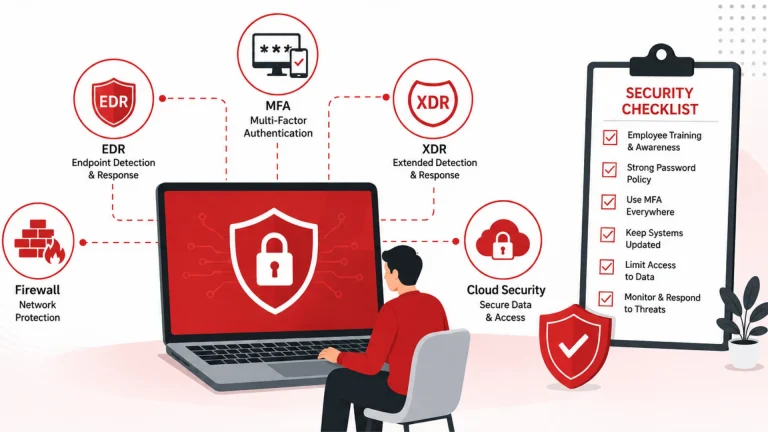
Cybersecurity best practices for businesses

Reducing cyber risks caused by human error requires more than simply investing in the latest security technologies. Organizations need a balanced approach that combines advanced cybersecurity solutions, clear security processes, employee awareness, and controlled access to business systems. 

By encouraging secure behaviour and implementing practical security measures, businesses can significantly reduce avoidable security incidents while improving their overall cybersecurity posture. 

Enable Multi-Factor Authentication (MFA)

Traditional passwords alone are no longer enough to protect business accounts. Multi-factor authentication (MFA) adds an extra layer of security by requiring users to verify their identity using more than one authentication method, such as a mobile notification, authentication application, or one-time verification code. 

Even if passwords are compromised, MFA greatly reduces the chances of unauthorized access. Implementing MFA across business applications, email accounts, cloud platforms, and remote access systems is one of the most effective ways to strengthen cybersecurity for businesses in Dubai and the UAE.

By encouraging secure behaviour and implementing practical security measures, businesses can significantly reduce avoidable security incidents while improving their overall cybersecurity posture. 

Implement Access Controls and Monitoring

Not every employee requires access to every business system or confidential file. Access controls help organizations limit user permissions based on job responsibilities, reducing unnecessary security risks. 

Regular reviews of user access, combined with continuous monitoring, make it easier to detect unusual activities before they become serious security incidents. 

Many organizations also benefit from managed cybersecurity services, endpoint monitoring, and network security solutions for businesses across Dubai and the UAE, which provide greater visibility into potential threats while helping IT teams respond more efficiently. 

Develop Clear Security Policies and Response Plans

Strong cybersecurity awareness begins with clear expectations. Every organization should establish security policies that explain password requirements, acceptable use of company devices, incident reporting procedures, software update responsibilities, and data protection practices. 

Employees should understand exactly what to do if they receive a suspicious email, notice unusual system activity, or believe sensitive information has been exposed. 

Having a documented incident response plan enables businesses to respond quickly, minimize disruption, and recover more efficiently when security incidents occur. 

Conclusion

Modern cybersecurity is no longer only about technology. Firewalls, endpoint protection, monitoring platforms, and automation provide essential layers of defence, but they cannot replace informed decision-making by employees. 

The strongest cybersecurity strategies combine advanced security technologies with ongoing employee awareness, secure access management, and clearly defined security processes. When organizations invest in both people and technology, they are better prepared to reduce cyber risks, protect sensitive information, and maintain business continuity. 

For businesses across Dubai and the UAE, understanding the human factor in cybersecurity and building a strong security culture are just as important as implementing the latest cybersecurity technologies. 

This people-first approach is also reflected in cybersecurity guidance published by organizations such as Microsoft, NIST, and CISA, all of which emphasize that technology alone cannot eliminate cyber risk without informed users and strong security practices.

Protect Your Business with Chipin Corp

Human error remains one of the biggest cybersecurity risks for modern businesses. If you’re looking to strengthen your organization’s security, Chipin Corp provides cybersecurity services in Dubai, including endpoint security (EDR & XDR), managed IT services, firewall and network security, email security, Microsoft 365 security, cloud security, vulnerability assessments, and employee security awareness training. Our experts help businesses across Dubai and the UAE strengthen their cybersecurity posture, reduce cyber risks, and build resilient security strategies for long-term protection. 

Frequently Asked Questions

Employees interact with business systems every day. Simple mistakes such as weak passwords, phishing attacks, or delayed software updates can create security vulnerabilities even when advanced cybersecurity tools are installed.

No. Security tools significantly reduce risks, but they cannot eliminate every threat. Employee awareness, secure behaviour, and strong security policies remain essential for preventing cyber incidents. 

Some of the most common mistakes include weak passwords, clicking phishing links, using unsecured devices, delaying software updates, sharing login credentials, and ignoring security policies.

MFA requires users to verify their identity using more than one authentication method. This makes it much harder for attackers to access accounts, even if passwords have been compromised.

Businesses can reduce risks by implementing managed cybersecurity services, employee security awareness training, endpoint protection, network security, regular software updates, access controls, and incident response planning.

Security awareness training helps employees recognize phishing attempts, follow safe digital practices, and respond appropriately to potential cyber threats, reducing the likelihood of human-related security incidents. 

About the Author