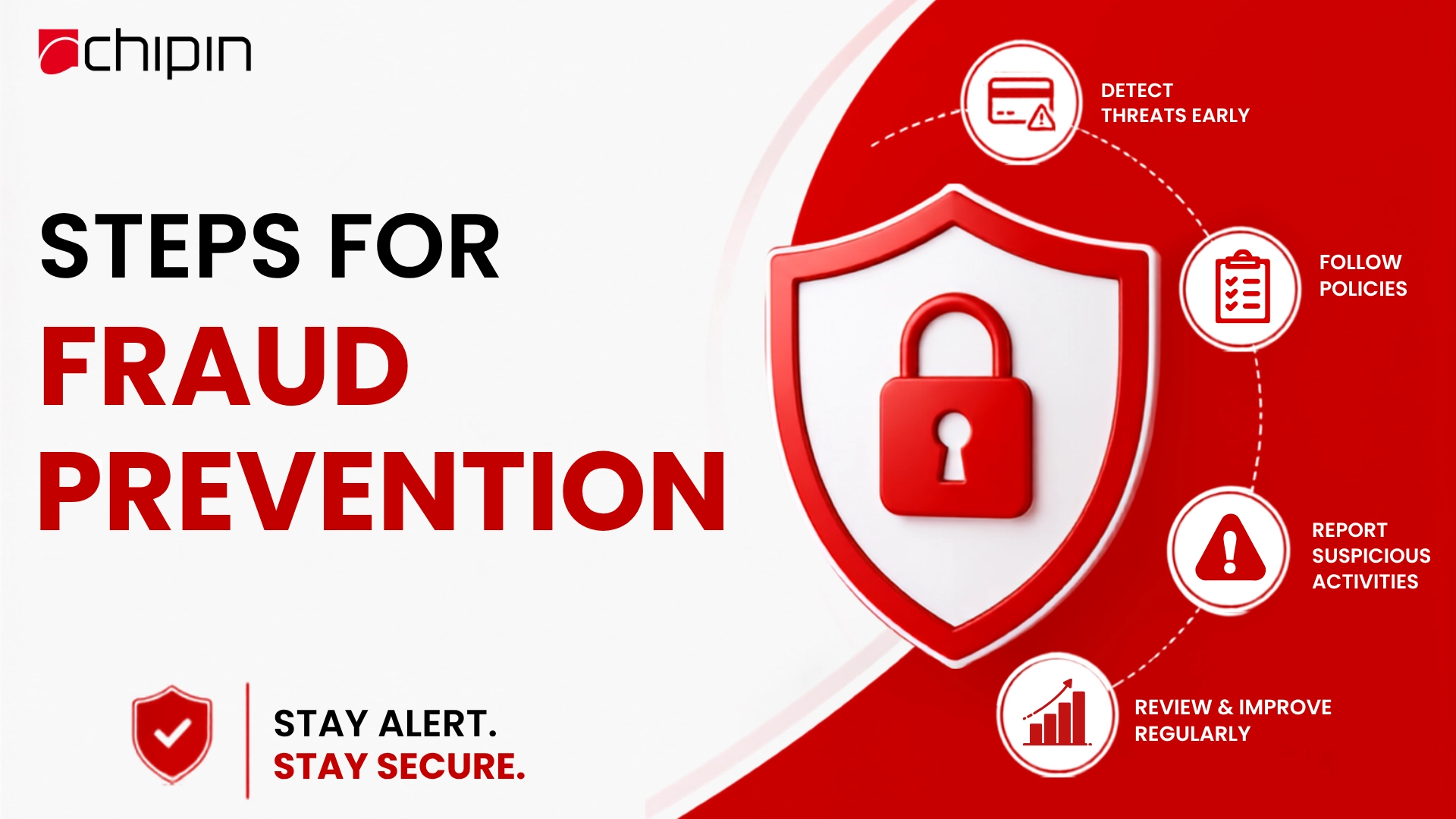
Steps for IT Fraud prevention
According to reports, 33% of organizations encounter increased IT fraud every year. Internal concerns such as embezzlement and asset theft that go undiscovered might expose your organization to additional deceptive financial information, resulting in IRS engagement and significant revenue losses. It is critical to use IT fraud prevention and detection measures to reduce this loss. Every firm should have a strategy in place since avoiding IT fraud is considerably easier than recovering damages after the fact. Accounting and audit services can help to avoid such scenarios and detect financial IT fraud. It can assist you in determining wherever the money has gone and how to recover it.
The consequences of retail IT fraud
Retailers risk losing money, consumer confidence, and reputational harm if a major attack or breach of security occurs without the proper IT fraud protection services. In an omnichannel retail market, businesses of all levels are exposed.
Consider the damage done to your company and consumers once credit card data is hacked or login accounts are compromised. These occurrences might result in lost income and long-term brand harm. Furthermore, stolen private details can lead to negative credit scores and can follow your clients for years by affecting their ability to qualify for loans, mortgages, and other kinds of credit.
Steps for IT Fraud Prevention
While building an omnichannel strategy is crucial in today’s retail world, it is critical to do so while simultaneously concentrating on IT fraud protection. Keeping this mind, the following quick procedures can assist you in detecting red signs and discouraging fraudulent actors:
When making payments, confirm credit card information, including security codes. Keep meticulous documents of all transactions, regardless of where they occur. Learn about the many forms of IT fraud and how fraud protection services may safeguard your company.
If you see any questionable activity or transactions, contact the credit card company.
Although people want to have a similar buying experience through all channels, businesses require a consistent method of authenticating customers’ identities. This form of authentication is still in the works, although there are advanced IT fraud prevention tools available right now.
Types of IT fraud in business
Understanding the many forms of corporate IT fraud is helpful in combating and investigating it. The most prevalent kinds are as follows:
1. Identity Theft
Due to the large amount of unlawful currency floating around, you may stumble across bogus banknotes. Money IT fraud might occur without your or the customer’s knowledge. When you attempt to transfer the money at the bank, however, counterfeit money is useless.
The most prevalent counterfeit banknotes are high-value denominations, such as $100 bills. If you accept fake money, you will not profit from the deal. Worse, you can wind up handing over genuine money in exchange for a forged bill.
2. Financial Crimes
A money scam might occur without your or the client’s knowledge. When you attempt to transfer the money at the bank, however, fake money is useless.
Learn how to identify whether money is phony to guard your new business from money fraud. Embossed printing, an essential part of the overall design; watermarks; and color scheme ink are all elements that should be visible on lawful cash. Additionally, train your personnel to double-check cash before taking it.
3. Payroll
Employees may request wage bonuses without repaying them. Employees may also lie about the amount of time spent on their timesheets. Employees might also request that coworkers clock in for them despite the fact that they aren’t there.
Conduct background checks on all new workers before hiring them. You should also examine payroll accounts to detect fraudulent activities early on.
Use SaaS payroll services to approve payroll before paying employees and to process and report their salary level and hours in your system. Don’t wait until your company has spent a lot of money to begin keeping a close eye on things!
Looking for IT fraud prevention and detection services that use machine learning, for example. Deep learning technology is capable of recognizing and learning from complicated patterns. It discovers relationships by taking a comprehensive look at fraudulent behavior and is significantly more reliable than laws’ technologies.
Picking a IT Fraud Prevention Strategy
What skills must you search for once you’ve decided to use a IT fraud protection solution? And how will this contribute to the protection of your company and its customers? Consider the following features:
Purchase security: Aids in the protection of your online income by raising bank acceptance rates and lowering checkout friction, which can lead to abandoned carts.
Loss avoidance: Provides store managers and investigators with ways for preventing loss and taking action by spotting probable IT fraud on returns and reductions for omnichannel transactions rapidly.
Account safety: Protects your reputation, income, and client accounts by blocking unauthorized account access, account numbers, and account takeovers.
In addition to these issues, you should consider if a suspected IT fraud security company is a self-contained solution, how it combines with your other general merchandise technologies, and what type of trial it creates; how it claims to support a seamless user experience; and whether technical support is available in the event you require it.
For more IT tips and news, check out the Chipin IT Blog